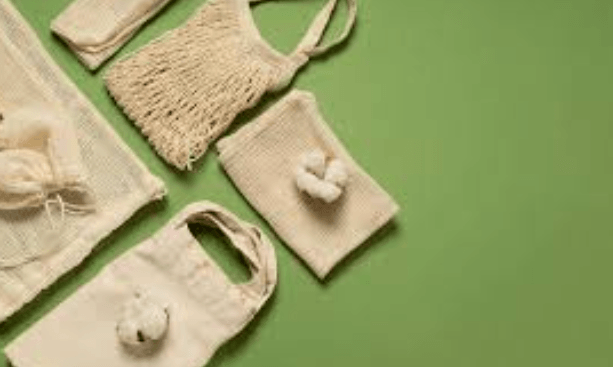
Eco-friendly fashion shopping requires verifiable data, not slogans. Analysts urge scrutiny of materials, production practices, and independent audits to separate genuine impact from greenwashing. A capsule wardrobe favors durability, fit, and timeless design to maximize value. Secondhand and upcycling offer options, but demand careful condition checks and design longevity. Budgeting, timing releases, and assessing craftsmanship matter. The challenge remains: can brands prove responsible sourcing while delivering style that endures, or will assertions outpace evidence?
What Makes Fashion Truly Eco-Friendly
Determining what constitutes truly eco-friendly fashion requires scrutinizing the entire lifecycle of a garment, from raw material sourcing to end-of-life disposal. The assessment remains skeptical, balancing claims against measurable impact. Limited dyes and sustainable materials matter, yet scale and transparency define credibility. Local production and circular design optimize resource use, while accountability and verifiable data distinguish genuine progress from greenwashing. Freedom requires informed scrutiny.
How to Vet Fabrics, Brands, and Supply Chains
To vet fabrics, brands, and supply chains effectively, consumers should demand verifiable data on materials, manufacturing practices, and transparency across the value chain.
The process remains analytical: evaluate how fabrics are produced, trace supply chains, and scrutinize brands’ commitments.
Vetting includes evaluating certifications, labeling accuracy, and independent audits, ensuring claims match evidence, and rejecting opaque practices that obscure environmental and social impacts.
Building a Capsule and Smart Shopping Habits
A capsule wardrobe offers a concise framework for reducing waste and simplifying decision-making by curating a compact, interchangeable set of garments.
The discussion analyzes capsule planning as a disciplined method to maximize utility and minimize excess, emphasizing strategic purchases, durable design, and fit.
Smart shopping habits emerge through deliberate budgeting, timing, and value assessment, without sacrificing personal freedom or style integrity.
Getting More From Secondhand and Upcycled Pieces
Secondhand and upcycled pieces offer a practical route to lower fashion footprints, but benefits depend on selection, condition, and design longevity. The approach favors deliberate evaluation over impulse buys, emphasizing durability and timeless style.
Secondhand transformation scale varies, requiring craftsmanship discernment. Upcycled textiles illustrate value not merely in novelty but in performance, stewardship, and long-term utility for a freedom-seeking wardrobe.
See also: Is Crypto Only for Tech Experts?
Frequently Asked Questions
How Does Washing Affect a Garment’s Eco Impact?
Washing reduces a garment’s eco impact by removing soils efficiently, but it can amplify microfiber release and energy use; dye processing remains pivotal, as repeated washing intensifies color fade and chemical discharge, demanding greener cycles and responsible detergent choices.
Are Rental Options Greener Than Buying Secondhand?
Rental options are not universally greener than buying secondhand; outcomes depend on usage, frequency, and supply chains. Satirically noting priorities, rental models can reduce waste yet amplify turnover, while secondhand markets emphasize reuse, durability, and slower consumption in a freedom-loving critique.
What Certifications Truly Prove Sustainable Practices?
Certifications vary in credibility; some demonstrate robust criteria, while others permit masking practices. The key is independent verification and rigorous audits. Supply chain transparency remains essential to assess true sustainability beyond marketing claims and superficial endorsements.
How Can I Measure a Wardrobe’s Carbon Footprint?
Counterpoint: one can measure a wardrobe’s carbon footprint by calculating life-cycle emissions, focusing on materials, production, and disposal. The analysis reveals uncertainties in data, revealing significant supply chain impact and the challenge of accurate measuring emissions across brands.
Do DIY Repairs Actually Reduce Overall Environmental Harm?
DIY repairs can reduce environmental harm, but benefits depend on repair quality and frequency. Repaired longevity and repair sustainability lessen turnover, yet durability of patched garments and consumer demand for new designs complicate overall impact assessments.
Conclusion
In the quiet loom of consumer choice, eco-consciousness threads through fact and promise. Transparent materials and audited practices anchor trust, while durable capsules resist the rustle of trend. Brands, like careful carpenters, reveal their joints—labels, sourcing, craft—shaping authentic worth. Secondhand and upcycled pieces act as keepsakes, reframing waste as design. Time and budget become compasses, steering toward lasting value rather than quick fads. The market, a patient garden, grows greener as scrutiny blooms into routine habit.