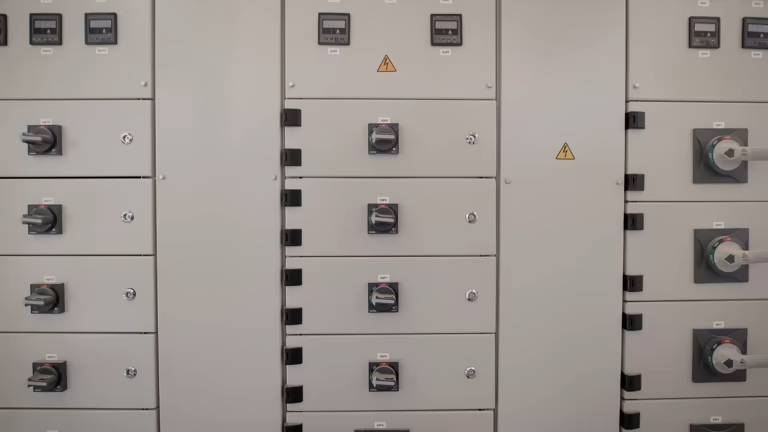
Every building—whether residential, commercial, or industrial—depends on a structured and safe system to distribute electricity. At the center of this system is the main electric switch board, also known as the main distribution board (MDB). It acts as the control hub that receives incoming power and distributes it to different circuits throughout the building.
Without a properly designed main switch board, electricity flow would be chaotic, unsafe, and highly inefficient. This article explains how a main electric switch board works, how it manages electricity distribution, and why it is essential for modern buildings.
Understanding the Main Electric Switch Board
A main electric switch board is an electrical enclosure that controls, protects, and distributes power from the main supply to various sub-circuits within a building.
What the Main Switch Board Does
Its primary functions include:
- Receiving power from the utility supply or transformer
- Distributing electricity to different areas of a building
- Protecting circuits from overload and short circuits
- Providing isolation for maintenance work
- Monitoring electrical load distribution
Where It Is Used
Main switch boards are commonly installed in:
- Residential apartment buildings
- Office complexes
- Shopping malls
- Hospitals and hotels
- Industrial facilities
It serves as the backbone of the entire electrical system.
How Electricity Enters the Main Switch Board
The distribution process begins when electricity enters the building.
Incoming Power Supply
Electricity typically enters the main switch board through:
- Utility grid connections
- Transformers (in large installations)
- Backup generators or renewable sources
Initial Power Control
Once power enters, it is immediately controlled through:
- Main circuit breakers
- Isolators
- Surge protection devices
These components ensure that incoming electricity is safe and stable before distribution begins.
Internal Structure of a Main Electric Switch Board
The design of a main switch board is organized to handle high electrical loads safely and efficiently.
Main Circuit Breaker
This is the first line of defense. It:
- Controls total power supply to the building
- Shuts off power during overload or faults
- Protects downstream circuits
Busbars
Busbars are thick conductive strips that:
- Carry electricity within the switch board
- Distribute power to multiple outgoing circuits
- Reduce energy loss compared to traditional wiring
Sub-Circuit Breakers
These breakers control individual circuits such as:
- Lighting systems
- Air conditioning units
- Power outlets
- Elevator systems
Protective Devices
These include:
- Earth leakage protection devices
- Surge protection units
- Overcurrent relays
They ensure safe operation of the entire system.
How the Main Switch Board Distributes Electricity
The distribution process is carefully structured to ensure safety and efficiency.
Step 1: Power Reception
Electricity enters the main breaker and is stabilized before distribution.
Step 2: Load Division
Power is divided into multiple circuits based on usage areas, such as:
- Floors in a building
- Specific departments or zones
- High-load and low-load areas
Step 3: Controlled Distribution
Each circuit receives power through a dedicated breaker, ensuring:
- Independent control
- Fault isolation capability
- Balanced energy distribution
Step 4: Continuous Monitoring
The system continuously monitors:
- Voltage levels
- Current flow
- Load balance across circuits
Load Management in Main Electric Switch Boards
Efficient load management is essential for safe and stable electricity distribution.
Balancing Electrical Load
A well-designed switch board ensures:
- Even distribution of power across phases
- Prevention of circuit overload
- Reduced strain on electrical infrastructure
Preventing Overloading
When load exceeds safe limits, the system:
- Automatically trips circuit breakers
- Isolates affected circuits
- Prevents damage to wiring and appliances
Safety Mechanisms in Main Switch Boards
Safety is one of the most critical functions of a main electric switch board.
Overload Protection
If too much current flows through a circuit:
- Breakers automatically disconnect power
- Prevent overheating and fire hazards
Short Circuit Protection
In case of electrical faults:
- Immediate shutdown of affected circuits
- Protection of equipment and wiring
Earth Leakage Protection
This feature detects:
- Current leakage to ground
- Potential electric shock risks
- Faulty insulation issues
Role of Main Switch Board in Building Efficiency
Beyond safety, the main switch board plays a key role in improving energy efficiency.
Structured Power Distribution
It ensures electricity is:
- Delivered only where needed
- Avoided from unnecessary wastage
- Managed in a controlled manner
Energy Monitoring Capability
Modern systems allow tracking of:
- Power consumption per circuit
- Peak load timings
- Energy usage patterns
This helps in optimizing electricity usage.
Importance in Residential Buildings
In homes and apartments, the main switch board ensures safe daily operations.
Powering Household Systems
It manages electricity for:
- Lighting systems
- Kitchen appliances
- Air conditioning units
- Entertainment devices
Ensuring Resident Safety
It protects residents by:
- Preventing electrical shocks
- Avoiding circuit overloads
- Isolating faulty connections
Importance in Commercial Buildings
In commercial environments, electricity demand is higher and more complex.
Supporting Business Operations
The switch board powers:
- Office equipment
- Computers and servers
- HVAC systems
- Security systems
Ensuring Operational Continuity
It helps businesses by:
- Preventing downtime due to electrical faults
- Ensuring stable power supply
- Supporting critical systems
Industrial Applications of Main Switch Boards
Industrial facilities require heavy-duty electrical distribution systems.
Managing High Power Loads
Main switch boards control:
- Heavy machinery
- Production lines
- Industrial lighting systems
Supporting Complex Electrical Networks
They help manage:
- Multiple sub-distribution boards
- High-capacity equipment
- Continuous production requirements
Maintenance of Main Electric Switch Boards
Regular maintenance ensures long-term performance and safety.
Routine Inspection
Technicians check:
- Loose connections
- Wear and tear on components
- Heat generation levels
Cleaning and Safety Checks
Maintenance includes:
- Dust removal
- Insulation inspection
- Safety device testing
Preventive Maintenance
Helps in:
- Avoiding unexpected failures
- Extending equipment lifespan
- Improving system reliability
Modern Advancements in Switch Board Technology
Technology has significantly improved the capabilities of modern switch boards.
Smart Monitoring Systems
Advanced boards now include:
- Digital meters
- Remote monitoring systems
- Real-time load tracking
Automation Features
Automation allows:
- Automatic fault detection
- Load switching control
- Energy optimization
Integration with Smart Buildings
Modern systems connect with:
- Building management systems (BMS)
- Renewable energy sources
- Backup power systems
Common Problems and How They Are Managed
Even well-designed systems can face issues.
Overload Conditions
Solved by:
- Circuit breaker tripping
- Load redistribution
Voltage Fluctuations
Managed through:
- Stabilizers
- Protective devices
Faulty Circuits
Handled by:
- Isolating affected sections
- Repair and replacement of damaged components
See also: Is Crypto Only for Tech Experts?
Final Thoughts
The main electric switch board is the central control system that ensures safe, structured, and efficient electricity distribution within a building. From receiving incoming power to distributing it across multiple circuits, it plays a critical role in maintaining electrical stability and safety.
By managing load distribution, preventing faults, and supporting energy efficiency, it ensures that residential, commercial, and industrial buildings operate smoothly. As electrical systems become more advanced, modern switch boards are also evolving into smart, automated systems that enhance monitoring, control, and reliability.
In essence, the main electric switch board is not just a distribution unit—it is the core of a building’s electrical intelligence, ensuring power is delivered safely, efficiently, and reliably at all times.