I have watched the same scene play out more times than I can count. Someone finds a swap-ready engine online, the price looks great, they wire the money, and three weeks later they are on the phone trying to figure out why the unit that showed up does not match what they thought they bought. None of it had to happen. Almost every bad JDM purchase traces back to a handful of avoidable mistakes, and they are easy to spot once you know the pattern.
The used import market rewards people who slow down. Before you buy from anyone, including a well-known shop like texasjdmmotors.com, it pays to run through the same checks an experienced installer would. The good sellers welcome the scrutiny. The bad ones get cagey, and that reaction alone tells you most of what you need to know.
Chase the lowest price and ignore the warranty
The cheapest engine is rarely the cheapest engine. A unit that costs three hundred dollars less but ships with no warranty can wipe out the savings in a single bad cylinder. Reputable importers attach a warranty period precisely because they have inspected the unit and believe in it. That coverage is not a marketing perk. It is the seller absorbing some of the risk that would otherwise land entirely on you.
Before you compare prices, compare warranty terms. How long is the coverage? What does it actually include, the long block only or accessories too. What does the claims process look like, and who pays return freight. A slightly higher price with real coverage is almost always the better deal, and a rock-bottom price with no coverage should make you nervous, not excited.
Skip the compression numbers
This is the single most common error. Buyers get excited about a low mileage figure and never ask the question that actually matters: how does this specific engine measure up right now. Compression and leak-down tests reveal the true health of the unit. They show whether the rings, valves, and head gasket are doing their jobs. Mileage is a story about the past. Compression is a snapshot of the present.
Ask for the numbers on the exact engine you are buying, not a generic claim about the model. A seller who tests their inventory will have them ready. A seller who shrugs is asking you to buy on faith.
Assume the photo is your engine
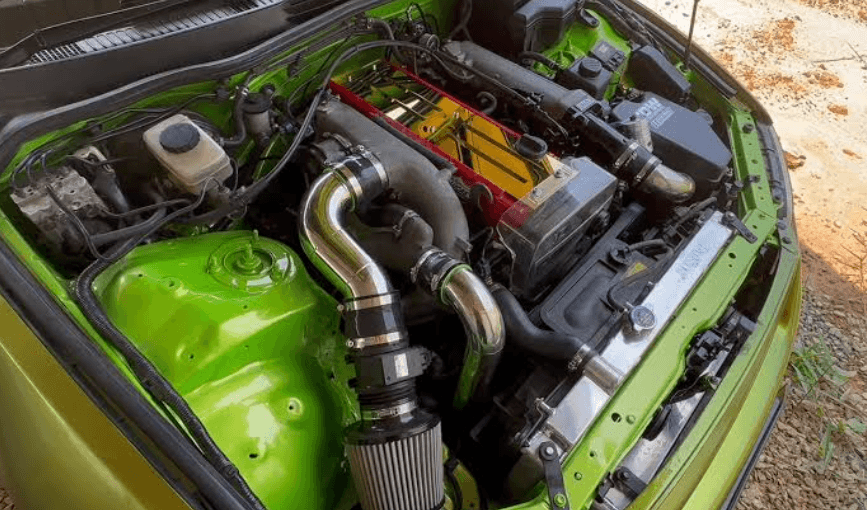
The picture in the listing is often a stock or representative image, not the unit that will arrive at your door. That matters because details vary between production years and trims. Intake manifolds, sensors, wiring, and accessory layouts change, and a mismatch can turn a weekend swap into a parts-hunting marathon.
Confirm what is included in writing. Ask whether the engine comes with the intake, the ECU, the alternator, and the wiring harness, or whether it is a bare long block. Ask the seller to send a photo of the actual unit if you have any doubt. Clarity here prevents the most frustrating surprises during installation.
Forget about shipping until it’s too late
JDM engines are heavy freight, and shipping is not an afterthought. A few hundred pounds of cast iron and aluminum has to move on a pallet, usually by freight carrier, and that comes with real cost and real logistics. Buyers who do not factor this in get blindsided by the total.
Settle the shipping details before you commit. Ask for a delivered price, confirm whether the destination needs a liftgate or a commercial address, and find out the realistic transit time. Sellers who ship nationwide handle this every day and can give you straight answers. Payment method matters here too. Using a traceable method such as a major credit card, Visa, or PayPal gives you recourse that a wire transfer or cash app never will.
Trust a flashy site over a real track record
A clean storefront built on a platform like Shopify is easy to set up. It tells you nothing about whether the business behind it actually delivers. Plenty of sharp-looking sites are run by operations with no inventory and no accountability.
Look past the design. Search for reviews outside the seller’s own website. Check whether there is a real physical address and a working phone number staffed by people who know engines. See how long the business has been operating and whether it has a presence beyond a single web page. A shop with a brick-and-mortar location, a stocked warehouse, and a phone someone actually answers is in a different category from a faceless listing.
Treat a vague answer as an answer
Here is the meta-lesson that ties the first five together. Every mistake above has the same antidote, which is asking a direct question and listening carefully to how it gets handled. A good seller answers plainly. They tell you the warranty terms, they have the compression numbers, they confirm what is included, they quote delivered shipping, and they can point to a track record. A questionable seller gets vague, changes the subject, or pushes you toward the headline price.
That reaction is data. You do not need to be a mechanic to read it. When a straightforward question about coverage or condition produces a fuzzy non-answer, you have learned something important about who you are dealing with, regardless of how good the engine itself might be. The buyers who avoid trouble are not the ones with the most technical knowledge. They are the ones who refused to wire money until the plain questions got plain answers.
See also: Automating Payroll and Contractor Payments with NetSuite
What good buying actually looks like
Put these together and a sound purchase has a recognizable shape. You know the warranty terms before you pay. You have compression numbers on the specific unit. You have confirmed in writing what hardware is included. You have a delivered price and a realistic timeline, paid through a method that protects you. And you are buying from an outfit with a verifiable track record rather than a pretty page.
None of this requires special expertise. It requires patience and a willingness to ask plain questions before money changes hands. The buyers who get burned are almost always the ones who skipped the questions because the deal looked too good to slow down for.
A JDM swap can be one of the most satisfying projects a gearhead takes on. A well-sourced Honda, Toyota, or Subaru engine can give an aging car a second life for a fraction of the cost of a new vehicle. The difference between a great experience and a costly headache usually comes down to the thirty minutes of due diligence you do before you click buy. Spend that half hour. It is the best return on time in the entire project.